Website vs social media for business is not a fight where you have to pick one winner. The short answer: social media matters more for reaching new people, a website matters more for turning them into customers. Social is where people discover you, your website is where they decide to trust you and place an order. A business running only one of the two is walking on one leg.
This guide breaks down the difference honestly: what social does better, what a website does better, where each one quietly fails, and how to connect the two without adding to your daily workload.
The short answer: different jobs, not different leagues
If you are weighing where to put your energy, start by understanding each channel's natural role.
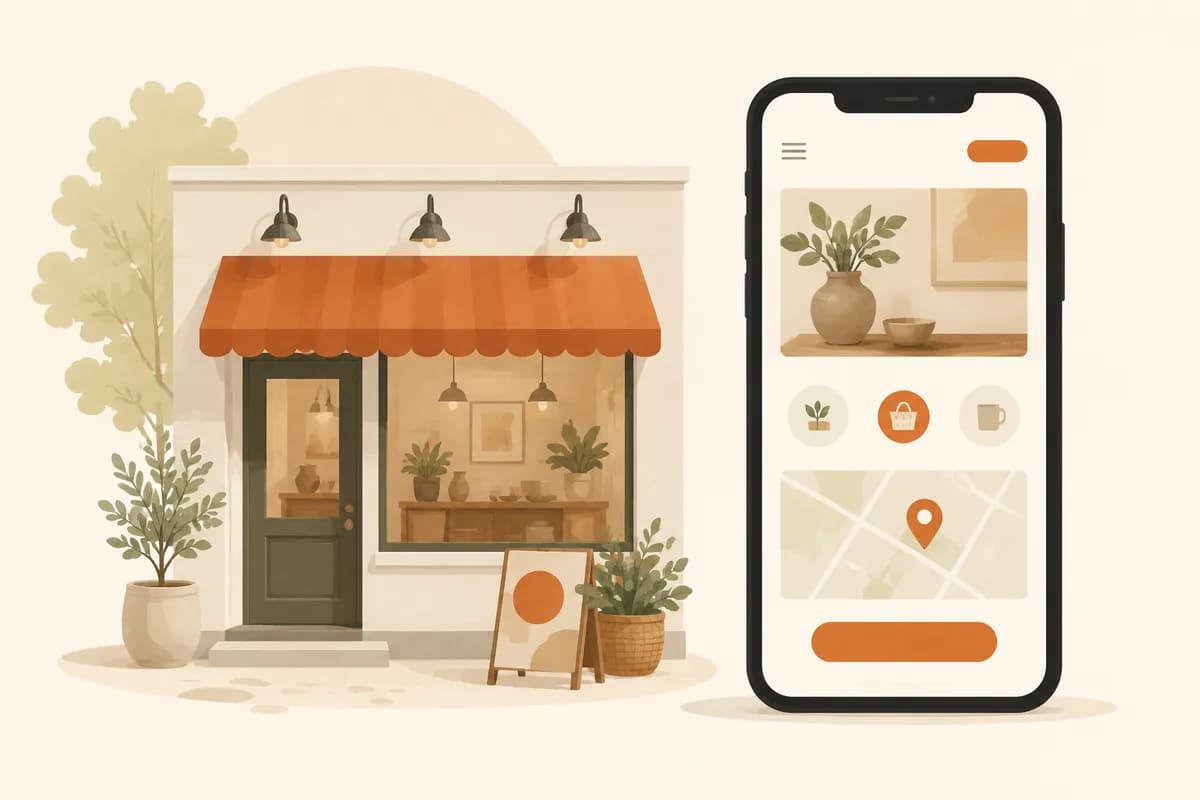
Social media is like a stall in a busy market. People stroll past, some stop because your content caught their eye, some because a friend tagged them. Its strength is discovery: people who had never heard of you now have.
A website is like a shop with its own address. Visitors usually arrive because they are looking for something, whether from Google, a link in your bio, or a recommendation. Its strength is decision: it answers every doubt a buyer has in one organized place, then points them to the order button.
Trouble starts when the roles get swapped. Selling only through an Instagram feed forces the market stall to act as a shop: the catalog drowns between posts, prices live in DM threads, and the buyer browsing at midnight finds no answers. Expecting a website to fill itself with visitors, without any discovery channel, is like opening a shop in a quiet alley.
Tip: Quick reality check: search your business name on Google. If all that shows up is a social profile, serious buyers doing their research never find your business's home. That is the sign a website is overdue.
What social media does better
To be fair, let's start with social's strengths. There is a good reason nearly every small business starts here.
Free initial reach. Create an account today, post today, and your content can be seen immediately. No setup, no entry cost. For validating an idea, nothing is faster.
Two-way interaction. Comments, DMs, story polls. You can feel the market's reaction to a new product, price, or packaging within hours.
Content that can spread. One well-timed reel can reach thousands of people beyond your followers. A website has no viral mechanism like that.
Living social proof. A busy comment section and reposts from happy customers are testimonials that feel real rather than staged.
If you are still hunting for your first customers, social media is the right place to start. The mistake is stopping there.
What a website does better
Now the other side. Some things a social account cannot deliver, no matter how good the content is.
Full ownership. A social account effectively rents space on someone else's platform. Reach can drop with an algorithm change, and accounts get hacked, banned, or restricted without explanation. A website on your own domain is an asset you actually own: no third party can switch it off on a whim.
Trust with serious buyers. Before sending money to an unfamiliar seller, many people check: is this business real? A website with its own domain, a tidy catalog, visible pricing, and a contact page answers that doubt in one visit. We cover the elements that build that trust in our guide to small business website essentials.
Being found on Google. Someone typing "custom leather shoes for men" or "daily catering in Austin" is in buying mode, not entertainment mode. Social posts almost never surface for searches like that; website pages can, and that traffic keeps arriving without you posting daily. The fundamentals are in our website SEO basics guide.
Information that stays organized. In a feed, every post has a short life before newer content buries it. On a website, your product pages, price list, and FAQ sit in the same easy-to-find place, including for the buyer who shows up at midnight.
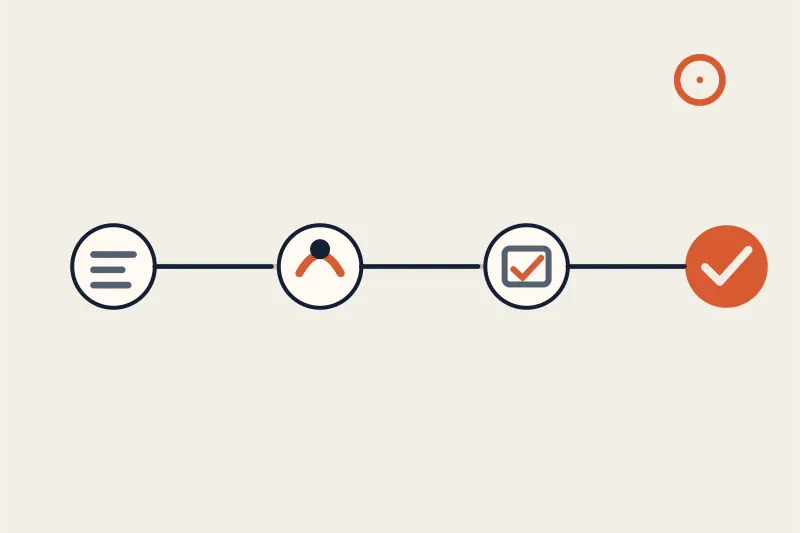
A clear path to order. A website can steer every visitor toward one action: click the button, fill the form, or start a chat. Without that, the interest your content generates often evaporates because people are unsure how to order. We walk through designing that flow in turning visitors into WhatsApp leads.
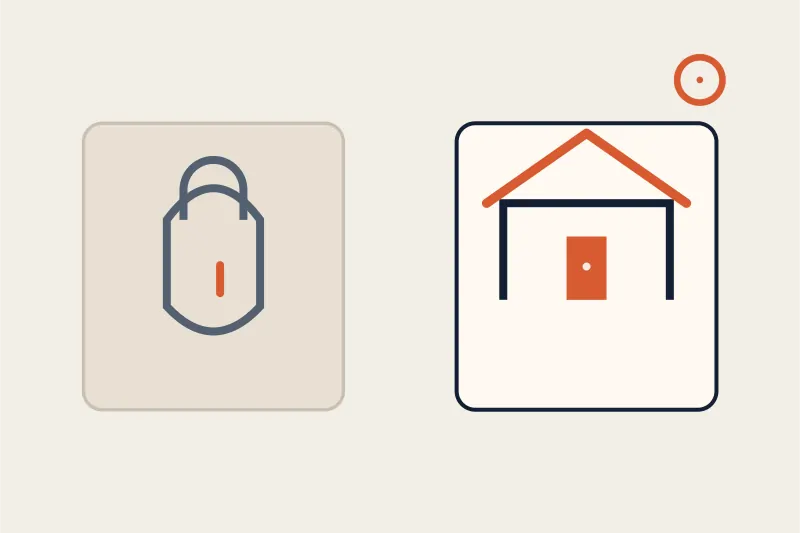
Head to head: website vs social media
Here is the comparison side by side, to make the trade-offs easier to weigh.
| Factor | Social media | Website |
|---|---|---|
| Ownership | Renting space, rules can change | Your own asset, full control |
| Reaching new people | Strong, with viral potential | Through Google search, takes time |
| Closing the sale | Weak, prices and info scattered in DMs | Strong, everything plus the order button in one place |
| Content lifespan | Short, buried by the feed | Long, pages work for years |
| Maintenance demand | Regular posting to stay alive | Light occasional updates |
| Trust with new buyers | Moderate, depends on activity | High, especially on your own domain |
| Cost | Free, but eats daily content time | Monthly subscription, from a few dollars |
| Risk | Hacks, bans, algorithm shifts | Minimal while the subscription is active |
The pattern is clear: social wins at the top of the funnel (getting known), the website wins at the bottom (getting trusted and paid). So the real question is not "which one" but "how do I connect them".
The hidden comparison is time. Social media looks free, but it demands continuous publishing and replies. A website takes initial setup, then the same page can answer questions and capture enquiries repeatedly. So compare more than subscription cost. Count the hours spent sending prices, catalogs, addresses, and ordering instructions through DMs. If the same information is sent every week, a website already has a business case before Google traffic starts growing.
The strategy that works: social as the door, website as the home
Here is the flow that healthy small businesses run:
- Social content earns attention. Reels, stories, and posts make people curious about the product. Their only job is to earn a click on the link.
- Every link points to the website. Instagram bio, WhatsApp status, TikTok description, all pointing to one address. That consistency slowly builds the brand.
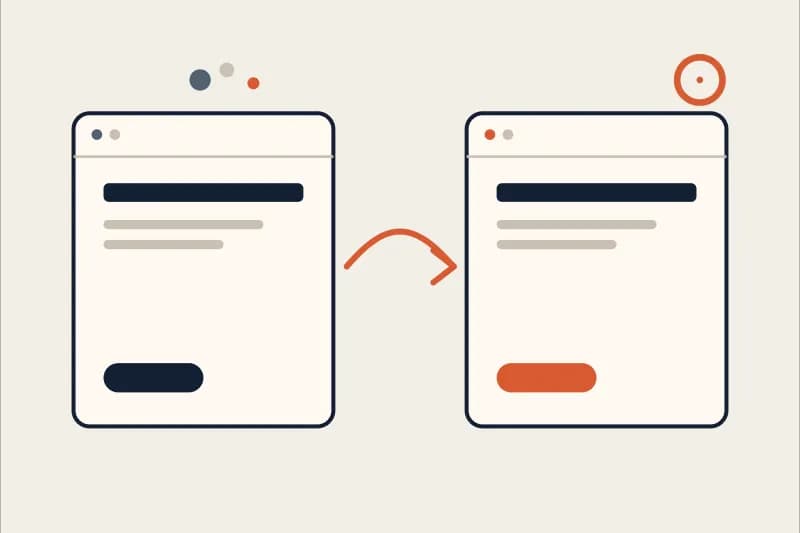
- The website convinces and closes. On the site, the buyer finds the full catalog, clear pricing, testimonials, and an order button. Doubts get answered without a long back-and-forth.
- Google becomes a second channel that grows on its own. While social does its job, website pages start ranking for relevant searches. Over time, buyers arrive without you posting anything.
With this division of labor, you also stop forcing your feed to be a catalog. The feed can stay casual and personal, because pricing, variants, and how-to-order all live on the website.
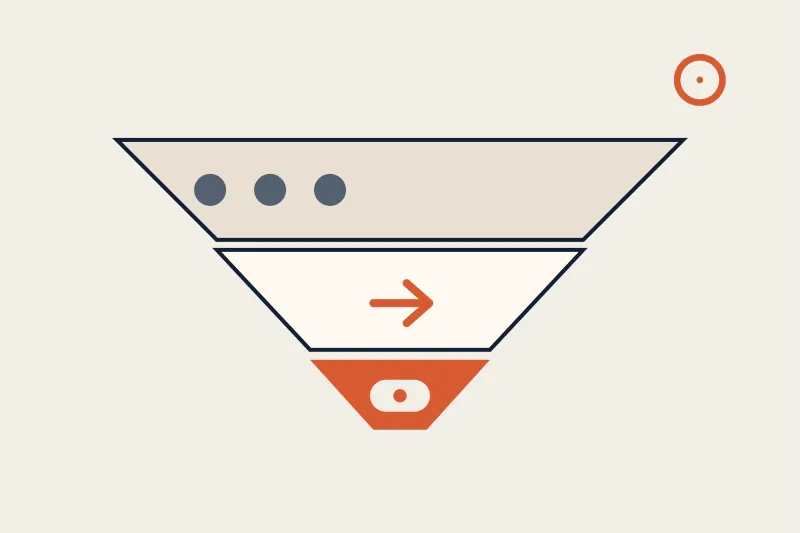
Start with a small flow you can measure. Pick one social post that produces repeated questions, send it to one page that answers those questions, and use one specific CTA. Do not send everyone to the homepage when their intent is already clear. Someone arriving from a catering package post should land on the catering package page, not be asked to search for it. In practice, the fit between the post, landing page, and CTA matters more than adding a long list of features.
Note: This flow also rescues you from answering the same DM questions forever. Every question that keeps coming up becomes a section on the website. Eventually buyers arrive in your chat ready to order, not starting an interrogation.
"But isn't a website expensive and technical?" Not anymore
The two most common objections to a website are that it requires technical skill and serious money. Both are leftovers from an earlier era.
It used to be true: hire a developer, wait weeks, pay again for every content change. If you do want the done-for-you route, our guide on how much a website costs breaks down what to expect.
Today there is a much lighter path. With an AI website builder like Forgelo, you describe your business in a sentence or two, something like "home bakery in Denver, custom gift hampers, orders via WhatsApp". From that prompt, a complete website with page structure, copy, and order buttons is generated in a few minutes, about four and a half minutes from prompt to ready-to-publish. Editing works the same way: type the change you want, like "make the headline warmer" or "add a testimonials section", and it is done.
The price is no longer a four-figure project either, but a subscription starting around $9 per month with hosting included. Details are on the pricing page. Compare that to the hours you spend answering the same DM questions every day; a website that answers them all at once is usually cheaper than it looks.
So the reasons to postpone, once valid, no longer hold. A website is not a big project anymore; it is one afternoon session. Our walkthrough on how to build a website with AI shows the whole process step by step.
Bottom line: where to start today
Summed up in three sentences: social media and websites are not rivals, they are teammates. Social opens the door, the website closes the sale. The riskiest position is depending entirely on one of them, especially on a platform whose rules you do not control.
Your practical next step depends on where you are:
- Just starting, no customers yet: focus on one social platform where your target buyers gather. Validate the product there first.
- Already getting orders through social: this is exactly the moment to add a website. Build a simple one with your catalog, pricing, testimonials, and an order button, then point every bio link to it.
- Have both but the website is neglected: refresh it with the questions that flood your DMs, and make sure page titles name your product and city so Google can start working for you.
For the second and third steps, you do not need weeks. Write one sentence about your business, drop it into Forgelo, and by this evening the link in your bio can point to a home you actually own.